Girl Power, in collaboration with the International Sport and Culture Association (ISCA), hosted an exciting day of sports, dance, and interactive activities at a refugee center in Denmark, as part of @DanmarksMotionUge.

Over 50 participants from all age groups came together to celebrate the unifying power of movement. The event was a shining example of how sport can help build more connected and inclusive communities. Also celebrated as part of the European Week of Sport (EWOS), the event underscored the importance of physical activity in bringing people together. We were thrilled to play a role in spreading this message. Together, we’re working to create stronger, more inclusive communities through the joy of movement!

The day was filled with energy and excitement, with everyone connecting through sports and dance. The activities broke down barriers and fostered a deep sense of unity. From children to adults, participants engaged in a variety of activities—ranging from lively dance sessions to team sports—creating an atmosphere of fun and camaraderie.

EWOS is about much more than just physical activity; it’s about empowerment and inclusion. This year’s event reminded us of how sport can be a powerful force for bringing people together and creating meaningful connections. We are proud to have contributed to this celebration and look forward to continuing to strengthen communities through the power of sport and movement.

In the end, the activities weren’t the only highlight—it was the sense of togetherness that sport brings. Regardless of our backgrounds or experiences, we all share the ability to unite through the joy of movement. And that, ultimately, is what makes us stronger as a community.
A.E. Ramassà held its first team session at the Esports Fields of the University of Barcelona, bringing together 14 women (12 players and 2 trainers) to kick off the new season.

The session focused on creating a welcoming and inclusive space for participants to get to know one another. Icebreaking activities helped everyone learn names and begin building group cohesion. These were followed by light football exercises aimed at easing participants into training and encouraging teamwork.

To wrap up the day, the group took part in a friendly match, giving players the opportunity to apply their energy and enthusiasm on the field in a relaxed and supportive environment.

This first meeting laid the foundation for future sessions, establishing a positive tone and strong group dynamic from the outset.

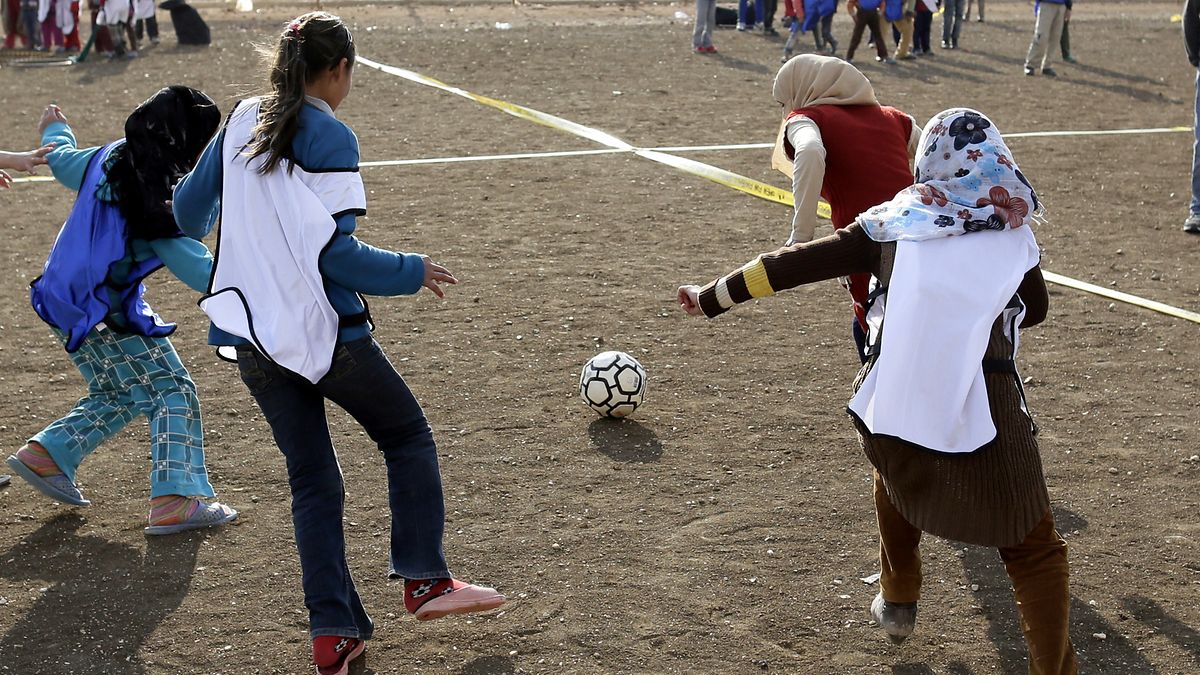
A German initiative for refugees in Iraq and Jordan, operating under the belief that sports can serve as a catalyst for social cohesion, is making a significant impact on young lives. The program offers a range of sports activities for young people aged 8 to 24, benefiting over 126,000 children and young people across schools and community centers. Additionally, it has trained over 300 teachers and trainers to support this mission.

The initiative actively encourages the participation of girls and young women, breaking down cultural and gender barriers in regions where societal norms traditionally limit female engagement in sports. By doing so, it challenges entrenched stereotypes and fosters a sense of agency and empowerment among its participants.

A standout success story from the program is Maryana Haddad, a member of the Jordanian women’s national football team. Through the initiative, Haddad not only honed her skills as a football coach but also found a platform to inspire and mentor a new generation of athletes. Her journey exemplifies the transformative power of sport in providing opportunities and building confidence.

The program also emphasizes the importance of educators and trainers in nurturing social skills and values through sports. By upskilling local social workers, teachers, and trainers, the initiative ensures its long-term sustainability and continued positive impact on the communities it serves.

This initiative demonstrates the profound potential of sports to bridge cultural divides, empower individuals, and create cohesive communities, proving that its influence extends far beyond the playing field.
Source: Jordan and Iraq: Fostering social cohesion | BMZ

Source: Jordan and Iraq: Fostering social cohesion | BMZ

Established in collaboration with the International Olympic Committee (IOC) and the United Nations High Commissioner for Refugees (UNHCR), the Olympic Refuge Foundation (ORF) is dedicated to providing access to physical activity and fostering personal growth and community building for refugees.

Through their sports programs in refugee camps, young people can find a sense of belonging, form friendships, and build confidence. The impact of these initiatives extends far beyond the camps, contributing to broader social integration and personal development.

The formation of the Olympic Refugee Team, first introduced at the Rio Olympics in 2016 and expanded in subsequent games, symbolizes the global recognition of refugee athletes and their potential to excel on the world stage. This team not only highlights the talents of refugee athletes but also brings attention to their resilience and determination.

The foundation’s commitment extends beyond elite athletes, as demonstrated by projects like Terrains d’Avenir. Launched in partnership with the French Ministry of Sports, this program aims to integrate displaced youth into French society through sports, offering organized activities regardless of administrative status or language proficiency.

Women and girls often face additional barriers to participation in sports, including cultural norms and gender-based discrimination. The ORF addresses these challenges through targeted interventions and inclusive programming, breaking down barriers and empowering women and girls to reclaim their agency and pursue their aspirations.

The Olympic Refuge Foundation continues to champion the transformative power of sport, providing opportunities for personal growth, fostering community spirit, and advocating for the rights and potential of refugees worldwide.

Source: The Olympic Refuge Foundation Provides Hope Through Sport – The Borgen Project

The Olympic Refuge Foundation (ORF) has expanded its Refugee Athlete Scholarship Programme, welcoming eight new athletes, including five remarkable women. This initiative not only enriches the programme’s diversity but also underscores the profound impact of sport in empowering female refugees.

Sport as a Vehicle for Social Change
Sport has long been recognized as a powerful vehicle for social change, and the ORF’s initiative exemplifies this truth. By providing a platform for refugee women to excel in athletics, judo, alpine skiing, and canoeing, the programme nurtures their athletic talents while fostering personal growth and resilience.

A Lifeline Beyond the Field
The Refugee Athlete Scholarship Programme offers more than just sporting opportunities. It is a lifeline for these women, providing access to high-level training facilities, national and international competitions, and crucial support networks. This comprehensive support not only elevates their sporting careers but also empowers them to reclaim control over their lives.

Transformative Impact and Future Goals
Looking ahead, the impact of the ORF’s initiatives promises to be transformative. The foundation has set ambitious targets to ensure one million young people affected by displacement have access to safe sport by 2024. This goal lays the groundwork for a more inclusive and equitable future, demonstrating the ORF’s commitment to using sport as a catalyst for change.

The expansion of the Refugee Athlete Scholarship Programme highlights the ORF’s dedication to empowering female refugees through sport. By supporting these athletes, the foundation is not only helping them achieve their dreams but also promoting broader social integration and resilience.

Source: Eight new Refugee Athlete Scholarship recipients announced ahead of 2024 Olympic Games  (olympics.com)